1 Hour COVID PCR Test: Revolutionizing Rapid Diagnosis
August 22, 2024

Introduction:
In the world of diagnostic testing for COVID-19, the PCR (polymerase chain reaction) test has emerged as a gold standard. It offers high accuracy and sensitivity in detecting the presence of the SARS-CoV-2 virus, aiding in early diagnosis and effective control measures.
However, when it comes to understanding the turnaround time for PCR test results, questions arise. How quickly can the demands test identify the virus? In this blog post, we will talk about PCR testing and explain what affects how quickly the results are ready. We will also tell you the average time to get the results.
1. PCR Testing:
An Overview: Before going to the detection speed of PCR tests, let's grasp the fundamentals of this powerful diagnostic tool. Polymerase chain reaction, often referred to as PCR, is a molecular biology technique used to amplify and detect specific segments of DNA. In the context of COVID-19, PCR tests target genetic material unique to the SARS-CoV-2 virus, aiming to identify infected individuals accurately.
2. The Testing Process:
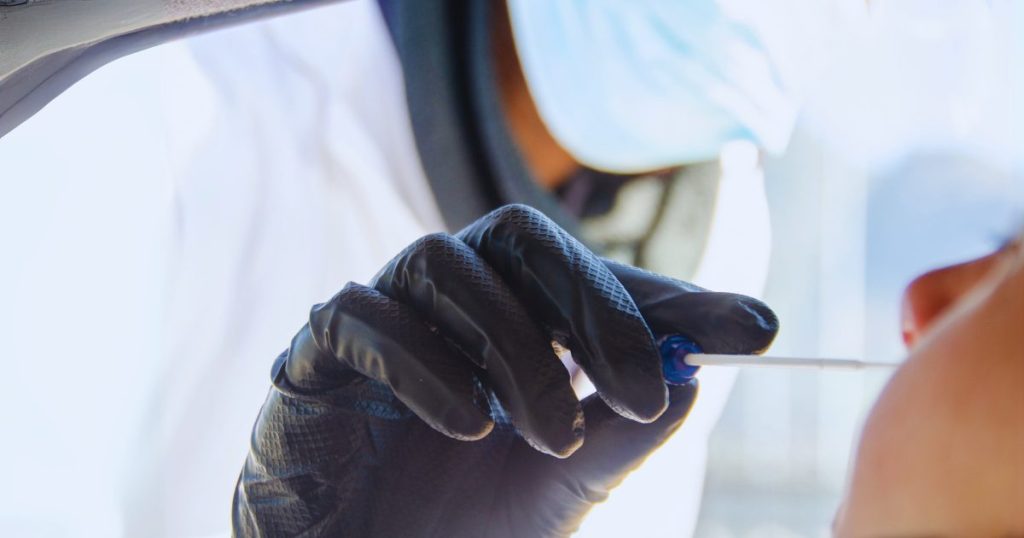
PCR testing involves several steps that contribute to the time required for obtaining results. The process typically begins with the collection of a nasal or throat swab sample from the patient. This sample is then transported to a laboratory where it undergoes extraction. During extraction, the genetic material, including RNA, is isolated from the swab. The isolated RNA then undergoes a reverse transcription step to convert it into DNA. After reverse transcription, the PCR amplification phase begins. This involves multiple cycles of heating and cooling to replicate and amplify the target DNA segments. The replication process generates millions of copies of the genetic material, enabling easy detection of the virus. Finally, the amplified DNA is analyzed using various methods, such as fluorescent probes or DNA sequencing, to determine the presence of the SARS-CoV-2 virus The results are then explained and reported.
3. Factors Influencing Detection Speed:
Several factors impact the speed at which PCR test results are obtained. One crucial factor is the transportation time between sample collection and the laboratory. Prompt delivery ensures that the sample reaches the lab without significant delays, expediting the overall testing process. Additionally, laboratory workload plays a role. During periods of high demand, laboratories may face increased testing volumes, potentially leading to longer turnaround times. Conversely, during low periods, results may be available more swiftly. The availability of testing resources and equipment also influences the speed of PCR testing. Limited supplies or technical issues can impede the laboratory's ability to process samples efficiently, resulting in longer wait times for results.
4. Average Turnaround Time:
The average turnaround time for PCR test results varies depending on multiple factors. In ideal circumstances, where sample transportation is efficient, laboratory workload is manageable, and resources are plentiful, results can be available within 24 to 48 hours. However, during periods of high demand or logistical challenges, the wait time may extend to 72 hours or longer. It is important to note that these are general estimates and can vary significantly based on the specific testing facility, geographical location, and prevailing circumstances. Some testing centers, particularly those equipped with rapid PCR machines, can provide results in as little as a few hours, significantly reducing the waiting period.
Conclusion:
PCR tests have revolutionized the diagnosis of COVID-19, offering high sensitivity and specificity. The time it takes to obtain results from a PCR test can vary depending on the testing infrastructure and protocols in place. However, advancements in testing technology have led to the development of rapid PCR tests that yield results within a matter of hours. Real-time PCR and point-of-care devices have emerged as game-changers, enabling swift detection and prompt decision-making. These advancements play a crucial role in controlling the spread of the virus by facilitating early identification of infected individuals and timely implementation of public health measures. Efforts are continuously being made to optimize and streamline the testing process to reduce wait times.