What is 4plex Testing and Why It’s a Game Changer in Diagnostics
October 17, 2024
One PCR Tests Near Me: Fast, Accurate Results for Your Peace of Mind
October 17, 2024
Types of COVID-19 PCR Tests: Similarities, Differences, and Emerging Innovations
PCR testing has been the cornerstone of COVID-19 diagnostics, but within the PCR framework, there are various types of tests designed to meet different needs. Understanding these differences helps clarify which test might be appropriate for specific situations. Let’s look at the key types of COVID PCR tests currently in use, their similarities, differences, and the new innovations that are reshaping this crucial diagnostic tool.
1. Traditional Lab-Based PCR Tests
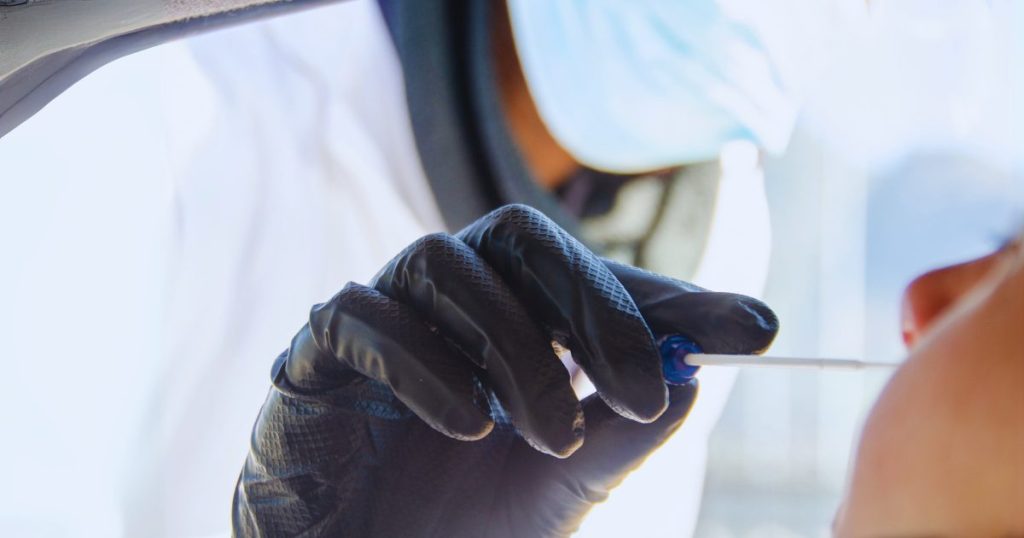
Overview: Traditional PCR tests are processed in certified laboratories using specialized equipment. After the sample is collected (usually via nasal or throat swab), it is sent to a lab for reverse transcription and amplification. The results are generally available within 24-72 hours, depending on the lab's capacity and the volume of tests being processed.
Advantages:
- High Sensitivity: Traditional lab-based PCR tests remain the most sensitive and accurate form of COVID-19 testing.
- Gold Standard: They are widely accepted for official use, such as travel or hospital admission requirements.
Drawbacks:
- Slower Turnaround: The need to transport the sample to a lab and process it means results can take several days, which may not be ideal for urgent situations.
2. Rapid COVID PCR Tests
Overview: Rapid PCR tests have emerged to address the long turnaround times of traditional PCR tests. These tests use compact devices and advanced technology to process the sample at the point of care, allowing results to be ready in under an hour.
Advantages:
- Faster Results: With results available in as little as 60 minutes, these tests are ideal for urgent situations where immediate answers are needed, such as pre-travel testing or surgery clearance.
- High Accuracy: Rapid PCR tests maintain the same sensitivity and specificity as traditional PCR tests, ensuring accurate detection of the virus.
Drawbacks:
- Limited Availability: While rapid PCR testing is growing in popularity, access may still be limited to specific clinics, hospitals, or urgent care centers.
3. Saliva-Based PCR Tests
Overview: Saliva-based PCR tests are a non-invasive alternative to the traditional nasal swab. Instead of inserting a swab deep into the nasal cavity, individuals simply provide a saliva sample. This method has become more popular due to its convenience, especially for children and individuals who find nasal swabs uncomfortable.
Advantages:
- Non-Invasive: It’s easier and more comfortable for most people to provide a saliva sample.
- High Accuracy: Like nasal swab PCR tests, saliva-based PCR tests also offer high sensitivity and specificity, making them reliable for detecting COVID-19.
Drawbacks:
- Sample Quality: Saliva samples can be affected by contamination from food, drink, or gum, which can impact the test results if not handled correctly.
- Longer Processing: While more comfortable, saliva-based PCR tests still need to be processed in a lab, leading to similar turnaround times as traditional nasal swab tests.
4. At-Home COVID PCR Testing Kits
Overview: At-home PCR testing kits have become a convenient option, allowing individuals to collect their sample and mail it to a lab for processing. These kits typically include detailed instructions for collecting a nasal or saliva sample and a prepaid shipping label to send it back to the lab.
Advantages:
- Convenient: Patients can collect samples in the comfort of their own homes, avoiding the need for travel or exposure to testing centers.
- High Accuracy: Like other PCR tests, at-home kits are highly sensitive and accurate once the sample is processed in a lab.
Drawbacks:
- Turnaround Time: Mailing the sample to the lab can add additional time, sometimes leading to longer wait periods compared to in-person testing.
- Sample Quality: User error during sample collection can lead to inconclusive results or the need for retesting.
5. Multiplex PCR Tests
Overview: Multiplex PCR tests are the latest advancement in COVID-19 diagnostics, offering the ability to detect multiple viruses, such as COVID-19, influenza A, and influenza B, all from a single sample. This is especially useful during flu season, as many symptoms of COVID-19 overlap with those of the flu or other respiratory illnesses.
Advantages:
- Comprehensive: By testing for multiple viruses simultaneously, multiplex PCR tests help differentiate between COVID-19 and other respiratory infections.
- Efficient: This method reduces the need for multiple tests, saving time and resources.
Drawbacks:
- Cost: Multiplex testing can be more expensive than single-target PCR tests.
- Availability: While gaining traction, not all testing sites or labs offer multiplex PCR tests yet.

Similarities Across PCR Tests
All types of PCR tests share the following core characteristics:
- High Sensitivity and Specificity: No matter the method, all PCR tests excel at detecting small amounts of viral RNA, ensuring a high level of accuracy.
- Diagnostic Gold Standard: PCR tests remain the most reliable method for detecting active COVID-19 infections, particularly when compared to antigen or antibody tests.
Key Differences Between PCR Test Types
- Sample Collection Method: Some tests use nasal swabs, while others use saliva, with varying levels of comfort and ease of collection.
- Turnaround Time: Traditional lab-based tests can take a few days, while rapid PCR tests can deliver results in as little as one hour.
- Testing Location: At-home PCR tests offer convenience but often take longer to process due to shipping and lab time, whereas rapid and traditional PCR tests are conducted at healthcare facilities.
- Additional Features: Multiplex PCR tests provide more comprehensive diagnostic information by detecting multiple viruses in one go, making them particularly useful during flu season.
Emerging Innovations in PCR Testing
As the demand for faster, more efficient testing grows, several innovations are reshaping the PCR landscape:
- Microfluidic Technology: This new approach integrates PCR testing with microfluidics, reducing the time it takes to process samples. Microfluidic PCR tests could soon offer the same level of accuracy as traditional PCR tests but with even faster turnaround times, potentially delivering results in minutes instead of hours.
- Portable PCR Machines: Portable PCR devices, such as those using CRISPR technology, are being developed to bring lab-quality testing directly to homes or point-of-care settings. These devices would allow individuals to get PCR-level accuracy without having to send samples to a centralized lab.
- AI-Enhanced PCR Tests: Artificial Intelligence (AI) is being incorporated into some PCR testing platforms to speed up analysis and improve detection rates. AI can help interpret test results faster and with fewer errors, streamlining the testing process.
These innovations aim to make PCR testing more accessible, quicker, and even more reliable, helping both individuals and healthcare systems manage COVID-19 more effectively.