

How Quickly Does a Rapid PCR Test Detect COVID?
July 11, 2023
What is 4plex Testing and Why It’s a Game Changer in Diagnostics
October 17, 2024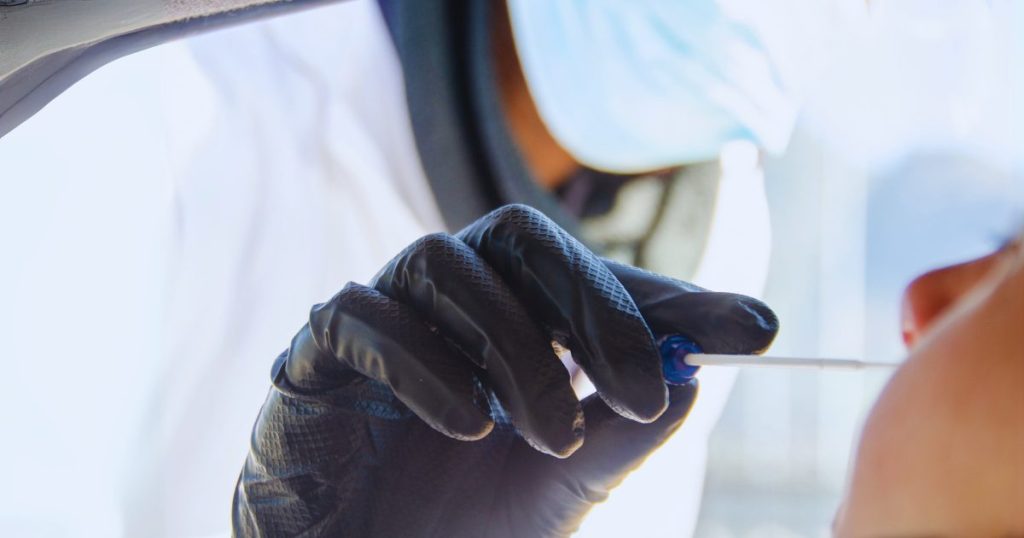
One-Hour COVID Tests: Revolutionizing Rapid Diagnosis
The global COVID-19 pandemic profoundly impacted healthcare systems, economies, and daily life. One of the most pressing challenges it presented was the need for rapid and accurate diagnostic testing. As the virus spread, the demand for testing skyrocketed, leading to long wait times for results and delays in crucial treatment and isolation measures. In response to this urgent need, rapid testing technologies have evolved, with the advent of 1 hour COVID PCR test emerging as a game-changer in the fight against the virus.
The Evolution of COVID-19 Testing
When COVID-19 first emerged, testing became a major bottleneck in managing the spread of the virus. Early tests were often time-consuming, requiring samples to be sent to centralized labs with results taking days to return. The most common and reliable test, the polymerase chain reaction (PCR) test, was the gold standard for diagnosing COVID-19. However, traditional PCR tests required several steps, including sample collection, transportation to a lab, processing, and analysis, which could take up to 72 hours or more.
As the pandemic progressed, the need for faster testing methods became increasingly clear. Rapid antigen tests were introduced, offering results in as little as 15 minutes. However, these tests, while useful for screening, were less accurate than PCR tests, especially in detecting early or asymptomatic cases. The trade-off between speed and accuracy was a significant issue, leading to the development of rapid PCR testing technologies, which combined the reliability of traditional PCR with much faster turnaround times.
The Rise of One-Hour COVID Tests
One-hour COVID PCR tests represent a significant advancement in diagnostic technology, offering a solution that balances speed and accuracy. These tests use advanced PCR technology to detect the presence of the virus in a sample within an hour. The process involves collecting a sample, usually via a nasal or throat swab, and analyzing it using a portable PCR machine that can provide results on-site.
The benefits of one-hour PCR tests are numerous. First and foremost, they allow for immediate decision-making. Whether it's for individuals who need to know their status before traveling, healthcare workers who need to return to work quickly, or parents concerned about their child's exposure, having results within an hour can make a huge difference. Additionally, one-hour tests reduce the need for follow-up testing, as their accuracy is comparable to traditional PCR tests.

Why Speed Matters: The Impact of Rapid Testing on Public Health
Rapid testing plays a crucial role in controlling the spread of COVID-19. One of the key challenges in managing the pandemic has been the asymptomatic spread of the virus. Individuals who do not show symptoms can still carry and transmit the virus to others, making it difficult to contain outbreaks. Rapid testing, particularly with one-hour PCR tests, allows for the quick identification and isolation of positive cases, even among those who feel perfectly healthy.
This quick turnaround is especially important in settings where the virus can spread quickly, such as schools, daycares, and other places where children congregate. The availability of one-hour PCR tests provides a vital tool for parents and caregivers, enabling them to make informed decisions about their child’s participation in activities and their interactions with others.
Moreover, rapid testing helps reduce the burden on healthcare systems. By quickly identifying positive cases, healthcare providers can allocate resources more effectively, ensuring that those who need care receive it promptly. This is particularly important during surges in cases when hospital capacity can be stretched to its limits.
The Science Behind the 1hrPCR Test
The one-hour COVID PCR test uses cutting-edge molecular diagnostic technology. Traditional PCR tests work by amplifying the viral RNA present in a sample, making it easier to detect even small amounts of the virus. The challenge with traditional PCR is the time required for multiple cycles of amplification, which can take several hours.
One-hour PCR tests utilize an advanced version of this technology, often referred to as rapid or real-time PCR. This method involves the same basic principles of amplification but does so in a more efficient manner. The use of optimized reagents, faster thermal cycling, and advanced detection techniques allows the test to be completed in under an hour without compromising accuracy.
This technological advancement is particularly beneficial in various settings, reducing the time individuals spend waiting for results and minimizing the disruption to their daily lives.
Convenience and Accessibility: Making Testing Easy for Families
The accessibility of one-hour PCR tests is a standout feature. Recognizing the busy schedules of families and professionals, many providers have made it easy to access testing without disrupting daily routines. The process is designed to be quick and efficient, from check-in to receiving results.
The importance of convenience cannot be overstated, particularly during a pandemic when stress levels are already high. By providing an easy and efficient testing process, one-hour PCR tests help alleviate some of the burdens on individuals and families, allowing them to focus on what matters most: health and well-being.
A Reliable Tool in Uncertain Times
The COVID-19 pandemic has brought unprecedented uncertainty into the lives of people worldwide. With the constant threat of exposure and the ever-changing landscape of public health guidelines, having access to reliable testing is more important than ever. One-hour PCR tests have proven to be just that—offering not only rapid results but also a high level of accuracy that individuals and healthcare providers can trust.
In addition to testing, these services often provide expert guidance on COVID-19 management, from preventive measures to care for those who test positive. Healthcare professionals dedicated to staying up-to-date with the latest developments in COVID-19 research and treatment ensure that they can offer the best possible advice and care to their patients.
The Future of COVID-19 Testing: What Lies Ahead
As we look to the future, it is clear that rapid testing will continue to play a crucial role in managing not only COVID-19 but also other infectious diseases. The technology developed during the pandemic has the potential to revolutionize diagnostic testing for a wide range of conditions, making quick and accurate testing more accessible than ever before.
The success of one-hour PCR tests is just the beginning. The experience gained during the pandemic will inform future innovations in healthcare, helping providers continue to meet the evolving needs of individuals and families. As the healthcare landscape continues to change, providers are committed to remaining at the forefront, offering reliable, accessible, and patient-friendly services that everyone can trust.
Conclusion: A New Standard in Rapid Testing
The introduction of one-hour COVID PCR tests has marked a significant milestone in the fight against the pandemic. By providing rapid, accurate results, these tests have empowered individuals and healthcare providers to make informed decisions quickly, reducing the spread of the virus and protecting public health.
As we continue to navigate the challenges of COVID-19, services like one-hour PCR tests will remain an essential tool in keeping our communities safe and healthy.


